Ranjani, Pune | Ramesh Jadhav
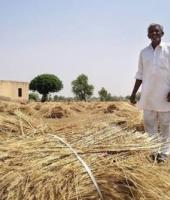
Farmers across the northern part of Pune district, particularly in Ambegaon and Junnar talukas under the Kukadi irrigation project, are anxiously awaiting the arrival of adequate monsoon rains as water levels in reservoirs continue to decline. With wells running dry and rivers nearly depleted, agricultural activities have come to a standstill in many villages.
Despite completing pre-sowing field preparations with optimism at the onset of the Kharif season, farmers now face uncertainty due to the delayed monsoon. While cloudy conditions have persisted over the past few days, the much-needed rainfall has remained elusive, disrupting sowing schedules and increasing anxiety among cultivators.
The current period is crucial for sowing major Kharif crops such as soybean, pearl millet (bajra), maize, and pigeon pea (tur). Agricultural experts and farmers alike consider every day of rainfall during this stage vital for ensuring a successful season. However, the prolonged dry spell has raised fears of crop losses and financial hardship.
Farmers who sowed seeds in anticipation of early rains are particularly worried, as inadequate soil moisture threatens germination and crop establishment. Across villages, cultivators are expressing concern that delayed rainfall could significantly impact agricultural production and rural incomes.
The situation has become more alarming as both Rohini and Mrig Nakshatra periods have passed without satisfactory rainfall. In Ambegaon taluka, farmers fear that insufficient rains could affect the sowing of soybean, green gram (moong), and bajra, while also creating fodder shortages for livestock.
Although the India Meteorological Department has forecast rainfall in the coming days, farmers remain eager to know when substantial showers will actually arrive. Many are now pinning their hopes on Ardra Nakshatra, which begins on June 22, traditionally considered an important period for rainfall and sowing activities.
“If satisfactory rainfall is received during Ardra Nakshatra, Kharif sowing can proceed smoothly. Otherwise, uncertainty over the entire season will increase,” local farmers said.
Agricultural planning could be severely disrupted if rains continue to be delayed. Late sowing often results in lower yields and reduced farm income, adding to the burden of rising input costs, including expensive seeds and fertilizers.
Farmer Voices
“Farmers are already struggling with rising cultivation costs and expensive seeds and fertilizers. We are hoping for good rainfall during Ardra Nakshatra so that Kharif sowing can begin in full swing and our worries can ease.” — Anand Londhe, Progressive Farmer, Valati
“Farmers constantly battle natural calamities such as droughts, storms and erratic rainfall. If satisfactory rains do not arrive in the coming weeks, both farm planning and financial calculations will collapse.” — Vijay Suresh Wagh, Progressive Farmer and Deputy Sarpanch, Ranjani
000