New Delhi, July 18
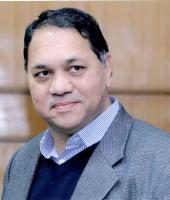
Climate activist and education reform advocate Sonam Wangchuk was shifted to Delhi's Safdarjung Hospital by the Delhi Police early Saturday after completing 21 days of an indefinite hunger strike at Jantar Mantar, triggering a major political controversy ahead of the Monsoon Session of Parliament.
Wangchuk, who has been fasting since June 28 over the alleged NEET paper leak and demanding the resignation of Union Education Minister Dharmendra Pradhan, was removed from the protest site in the pre-dawn hours following concerns over his deteriorating health. Delhi Police said the action was taken on medical advice and in compliance with directions issued by the Delhi High Court.
The move has sparked sharp criticism from Opposition parties, which accused the Centre of suppressing peaceful democratic protest instead of addressing the concerns of students over examination irregularities. The BJP-led government, however, maintained that the decision was taken solely to safeguard Wangchuk's health.
Health condition stable but dehydrated
According to a medical bulletin issued by Safdarjung Hospital on Saturday evening, the 59-year-old activist remains conscious and haemodynamically stable. His pulse, blood pressure and oxygen saturation are within normal limits, but doctors have observed clear signs of dehydration resulting from the prolonged fast.
The hospital said an independent expert from AIIMS examined Wangchuk and agreed that immediate oral or intravenous fluids and electrolyte therapy were medically necessary. However, Wangchuk has declined intravenous fluids, oral rehydration solution and medications despite repeated counselling by doctors. His family has also not yet consented to the recommended treatment.
Doctors stated that he remains under close observation and that continuous efforts are being made to persuade both Wangchuk and his family to accept medical intervention before serious complications arise.
Medical reports released earlier had shown that Wangchuk had lost more than nine kilograms since beginning his fast, with his weight dropping to around 56.6 kg. Doctors monitoring him before his hospitalisation had warned that prolonged fasting could begin affecting vital organs if treatment was delayed.
Wife appeals for family consent
Following his admission, Wangchuk's wife, Gitanjali J. Angmo, appealed through social media that no medicine or medical procedure be administered without the consent of his family and the doctors who had been monitoring his condition throughout the hunger strike.
She requested that all treatment decisions be taken only after consultation with family members, emphasising the trust they had placed in the medical team overseeing his fast.
Opposition mounts attack on Centre
The police action immediately triggered strong political reactions across Opposition parties, which accused the Narendra Modi government of choosing coercion over dialogue.
Nationalist Congress Party (Sharadchandra Pawar) president Sharad Pawar termed the Centre's response "apathetic" and said the government had merely acted as a spectator while the protest intensified. He asserted that the movement would continue despite Wangchuk's removal and announced that the issue would be raised during the Monsoon Session of Parliament beginning July 20.
Congress leader Rahul Gandhi accused the government of suppressing peaceful dissent and ignoring critical issues affecting students, including examination paper leaks, rising education costs and student suicides. He said no amount of force could prevent students and those supporting them from continuing to raise these concerns.
Aam Aadmi Party national convenor Arvind Kejriwal alleged that Wangchuk had been forcibly removed by police personnel in plain clothes and accused the government of attempting to crush a peaceful youth movement instead of reforming the education system. Comparing the incident with Mahatma Gandhi's hunger strikes during the freedom movement, Kejriwal claimed even the British had not treated Gandhi in such a manner. He appealed to citizens across the country to join the protest at Jantar Mantar.
West Bengal Ex Chief Minister Mamata Banerjee expressed deep concern over Wangchuk's health and urged the Centre to initiate dialogue instead of remaining silent. She argued that peaceful democratic dissent deserved engagement and transparency and suggested that Wangchuk be allowed to shift to a private hospital if necessary.
Samajwadi Party president Akhilesh Yadav condemned Wangchuk's removal as "highly condemnable" and demanded that his medical treatment be conducted under judicial supervision. He also sought disclosure of the identities of those involved in the operation and accused the BJP government of damaging India's democratic image internationally.
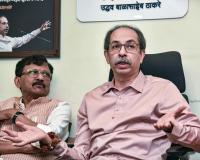
Shiv Sena (UBT) chief Uddhav Thackeray questioned why Education Minister Dharmendra Pradhan continued in office despite repeated controversies surrounding competitive examinations. He alleged that the government had failed both in conducting the NEET examination properly and in responding to the resulting public anger.
Shiv Sena (UBT) leader Aaditya Thackeray also criticised the Centre, calling it "the most insensitive government" and arguing that instead of engaging with protesters, it had used state power to suppress dissent.
Congress Legislature Party leader in the Maharashtra Legislative Council, Satej Patil, alleged that the police action formed part of a larger conspiracy to weaken the movement before a planned protest at Jantar Mantar on July 20. He reiterated the Opposition's demand for the resignation of Union Education Minister Dharmendra Pradhan.
Police defend action
Delhi Police maintained that Wangchuk's removal was carried out strictly on medical grounds after expert advice indicated that his health had significantly deteriorated. Authorities said the operation was conducted in compliance with court directions and emphasised that maximum restraint was exercised despite some protesters attempting to obstruct the transfer.
Police also appealed to demonstrators to vacate Jantar Mantar peacefully, stating that ensuring Wangchuk received immediate medical care was their primary responsibility.
Political issue set for Parliament
With the Monsoon Session of Parliament scheduled to begin on July 20, Wangchuk's hospitalisation has emerged as a fresh flashpoint between the government and the Opposition. Opposition parties are expected to jointly raise questions over the handling of the protest, alleged examination irregularities and demands for greater accountability in the education system.
While the government continues to defend its intervention as a life-saving measure, the Opposition insists that the episode reflects an unwillingness to engage with peaceful protest and student concerns, ensuring that the controversy is likely to dominate political discourse in the days ahead.
000